

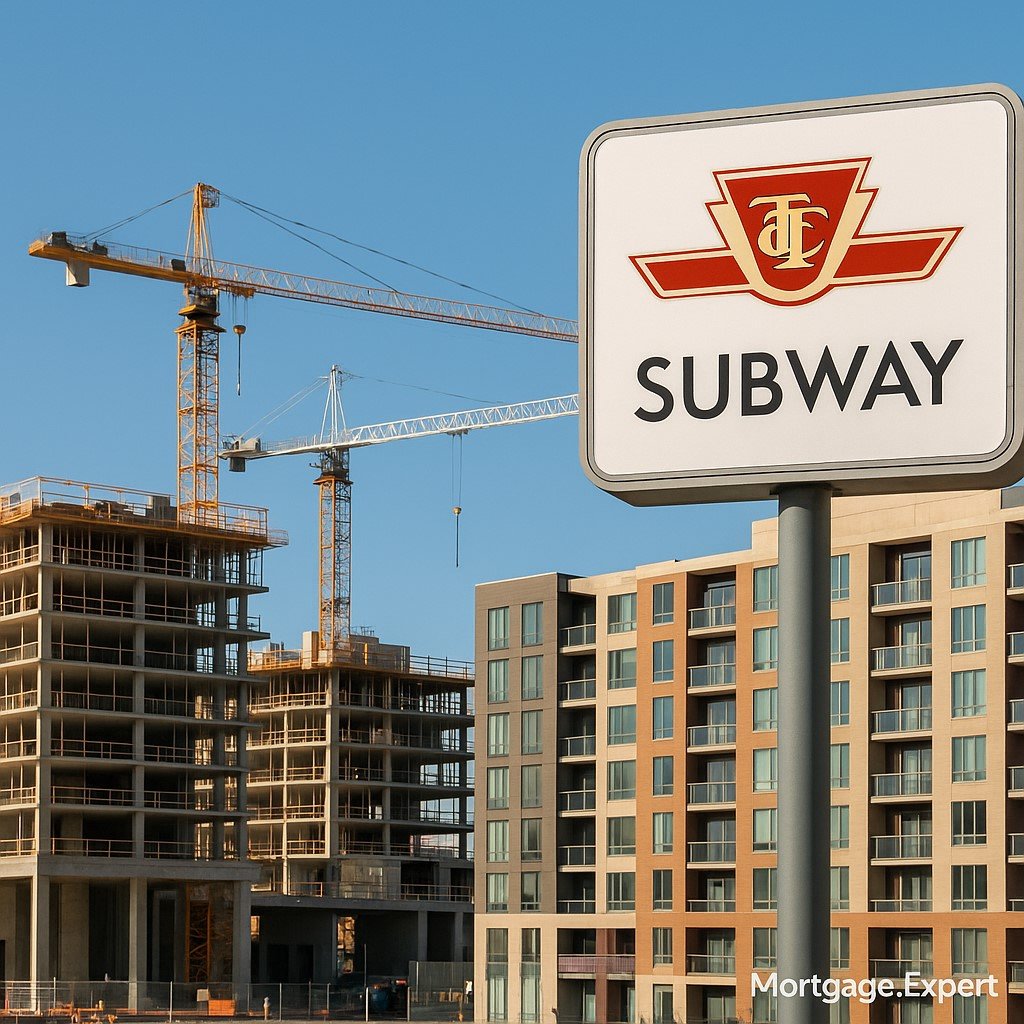

Ontario Eases Zoning to Allow Denser Housing Near Transit
Ontario has approved major zoning reforms to allow taller and denser housing near 120 transit stations, aiming to create 1.5 million new homes in the next 25 years. This could reshape affordability, development trends, and the future of transit-oriented living in the GTA.
Ontario has taken a decisive step to address Canada’s ongoing housing affordability crisis. The provincial government has officially approved zoning reforms that will allow taller and denser buildings near 120 transit stations in Toronto. The plan, designed to create transit-oriented communities, is expected to unlock 1.5 million new homes over the next 25 years—triple the target of earlier proposals.
For a market where affordability has hit historic lows, this move could signal a turning point. But it also raises questions about whether cities, developers, and infrastructure will keep pace.
What Ontario Has Approved
According to Housing Minister Rob Flack, the policy changes mean areas around GO Transit, subway, and light rail stations will be rezoned for higher density residential construction. Instead of two or three storey caps, buildings could reach new heights, supporting thousands of extra housing units per station area.
The government believes that concentrating housing near transit lines is the most effective way to balance urban growth, reduce congestion, and lower carbon emissions.
- Covered Areas: 120 major transit hubs in Toronto and GTA
- Housing Goal: 1.5 million homes over 25 years
- Implementation: Requires city council approval on zoning bylaws
- Timeline: Gradual roll-out depending on council votes and developer readiness
Why the Timing Matters
Ontario has struggled with soaring home prices despite high interest rates slowing demand. The average home in the Greater Toronto Area (GTA) remains well above $1 million, while supply continues to lag behind population growth.
By announcing reforms ahead of the fall season, the Ford government hopes to reassure buyers and renters that more supply is coming, even if results will take years to materialize.
At the same time, this comes after Canada’s federal government introduced immigration targets that will see the population grow significantly in urban centers like Toronto. Without density reforms, critics warned that cities would face even tighter bottlenecks.
Expert Reactions
Former Toronto mayoral candidate Olivia Chow pointed out that five years ago, similar density proposals would have added only 500,000 homes. This tripling of ambition underscores the urgency felt by policymakers.
Developers have largely welcomed the move, but industry insiders caution that land acquisition, financing, and labor shortages remain obstacles. “Policy can open doors, but execution is where the bottleneck lies,” said one GTA housing analyst.
City councils now hold the next piece of the puzzle. They must ratify zoning amendments locally, which can often lead to lengthy debates over neighborhood character, traffic, and services.
What It Means for Buyers
For potential homeowners, especially first-time buyers, this development could mean:
- More inventory: As projects come online, buyers may see greater choice.
- Transit access premiums: Homes near transit usually command higher prices, but increased supply may temper these premiums.
- Long-term affordability: While prices won’t fall overnight, easing supply constraints should slow the pace of appreciation.
For renters, denser housing near transit could provide more apartment-style and mixed-use units, diversifying beyond the limited condo stock that dominates Toronto’s skyline.
What It Means for Developers
Developers specializing in transit-oriented development (TOD) stand to benefit. With land near stations now open for taller projects, large-scale builds—mixing residential, retail, and office space—will become more feasible.
Banks and mortgage lenders may also see an increase in financing activity as multi-family construction loans rise.
The Bigger Picture: Toward a “15-Minute City”
Urban planners have long advocated for compact, walkable communities where residents can access work, shopping, and recreation within a short commute. By unlocking density around transit stations, Ontario is effectively laying the foundation for these 15-minute cities.
This not only addresses housing shortages but also promotes sustainability—reducing reliance on cars and cutting emissions.
Why It Matters for the Mortgage Market
- More Buyers Entering the Market: With the promise of additional supply, mortgage demand may rise among first-time buyers eyeing affordable new stock.
- Changing Loan Profiles: Financing could shift toward multi-family and mixed-use properties.
- Policy Risk Factor: Execution delays or council pushback could slow momentum, leaving affordability pressures unresolved.
Ontario’s decision to allow denser housing near transit stations represents one of the most ambitious provincial reforms in decades. The challenge now lies in turning blueprints into reality—and ensuring that affordability improves not just in numbers, but in the lives of Canadians looking for a place to call home.

Clara Desai
Articles: 545Related Posts



Stuck with a Mortgage Decision?
Don’t stress — our team is here to help. Reach out for free, no-obligation guidance.
Contact the Experts