

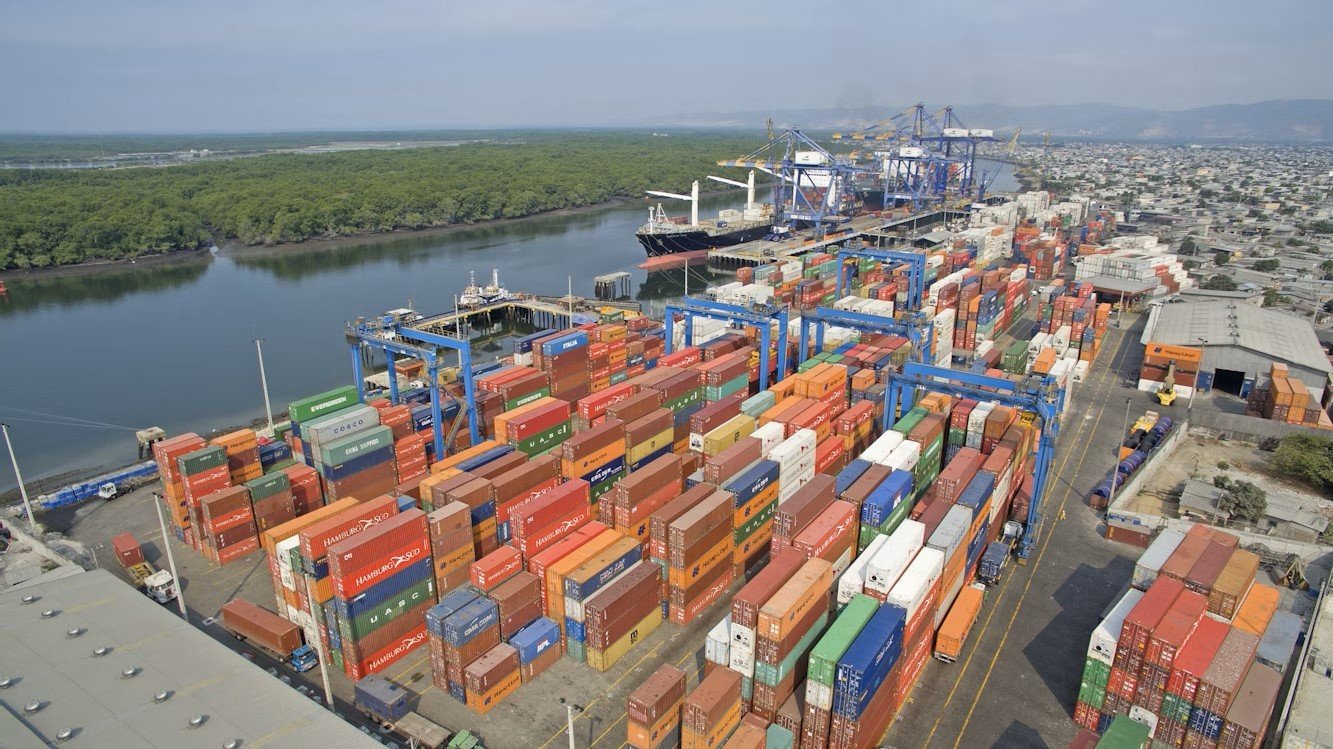

Asian Supply Chains Hit by US Tariffs — Will Canadian Builders Feel the Squeeze?
US tariffs on Southeast Asian imports may hit Canadian builders hard in 2025 — with rising costs, delays, and housing affordability concerns.
As the U.S. slaps fresh tariffs on imports from Southeast Asia, a growing concern is quietly echoing across Canadian construction sites:
Will builders here be next to feel the pinch?
While headlines focus on U.S.–China tensions, many of the affected countries — including Malaysia, Thailand, Vietnam, Indonesia, and Cambodia — are key players in Canada’s housing supply chain. Everything from plumbing fixtures to engineered wood, tiles, cabinetry, and lighting systems comes through these channels.
With costs already stretched and interest rates still elevated, Canadian builders are bracing for more supply volatility ahead.
Why These Countries Matter
Canada relies heavily on Asian manufacturing hubs for affordable construction materials — especially in urban and multi-family development projects. The items most at risk include:
- Fixtures & fittings: Sinks, taps, showers
- Tile & flooring: Porcelain, vinyl, engineered wood
- Millwork & cabinetry: Modular kitchens, bathroom vanities
- Lighting components: LEDs, housing, and control panels
“Even if the tariffs don’t target Canada directly, global supply shocks can ripple across borders — causing price hikes, delays, and stock shortages.”
📦 Supply Chain Countries to Watch
🇲🇾 Malaysia • 🇹🇭 Thailand • 🇻🇳 Vietnam • 🇮🇩 Indonesia • 🇰🇭 Cambodia
These countries supply key housing materials and may face price pressure in 2025.
Builders’ Biggest Concerns
1. Material Price Inflation:
When supplies tighten or demand shifts, prices spike — even without Canadian-specific tariffs.
2. Project Delays:
Builders who rely on offshore suppliers may face extended lead times, impacting project timelines and completions.
3. Contract Budget Overruns:
Fixed-price contracts may no longer cover actual material costs, straining builder margins and developer timelines.
🔨 Common Canadian Imports (2025)
🚿 Fixtures • 🧱 Ceramic Tiles • 🪟 Cabinets • 💡 LEDs • 🪵 Laminate Flooring
Why This Matters for Homebuyers Too
Even if you’re not a builder, you’re not immune. These supply chain pressures can directly affect:
- New home prices – higher input costs mean higher listing prices
- Renovation budgets – expect contractor quotes to climb
- Availability of units – delayed projects = slower supply in tight markets
This adds more pressure to housing affordability in Canada, especially in already strained provinces like B.C. and Ontario.
🔍 Thinking of Renovating or Building?
With material costs on the rise, now’s the time to secure funding and plan ahead. A mortgage advisor can help you explore HELOCs, cash-out refinancing, or new purchase strategies.
Final Thoughts
While the average Canadian may not follow tariff negotiations in Washington or Bangkok, the impacts will likely hit home — quite literally. Builders, renovators, and buyers alike should prepare for a year of unpredictable pricing and longer timelines.
The best strategy? Stay informed, plan early, and talk to a mortgage advisor before inflation makes borrowing (and building) more expensive again.
📞 Get Pre-Approved With Nesto or Compare With Local Brokers in Your Area
Explore exclusive online rates like Nesto’s 4.69% or speak to a licensed broker near you. Find out which offer saves you more.
Talk to a Mortgage Expert
Clara Desai
Articles: 545Related Posts



Stuck with a Mortgage Decision?
Don’t stress — our team is here to help. Reach out for free, no-obligation guidance.
Contact the Experts