


Canada Launches Public Consultations on USMCA Ahead of 2026 Review
Ottawa has launched public consultations on the 2026 USMCA review. Explore what this means for trade, jobs, inflation, and how it could affect mortgage rates and housing in Canada.
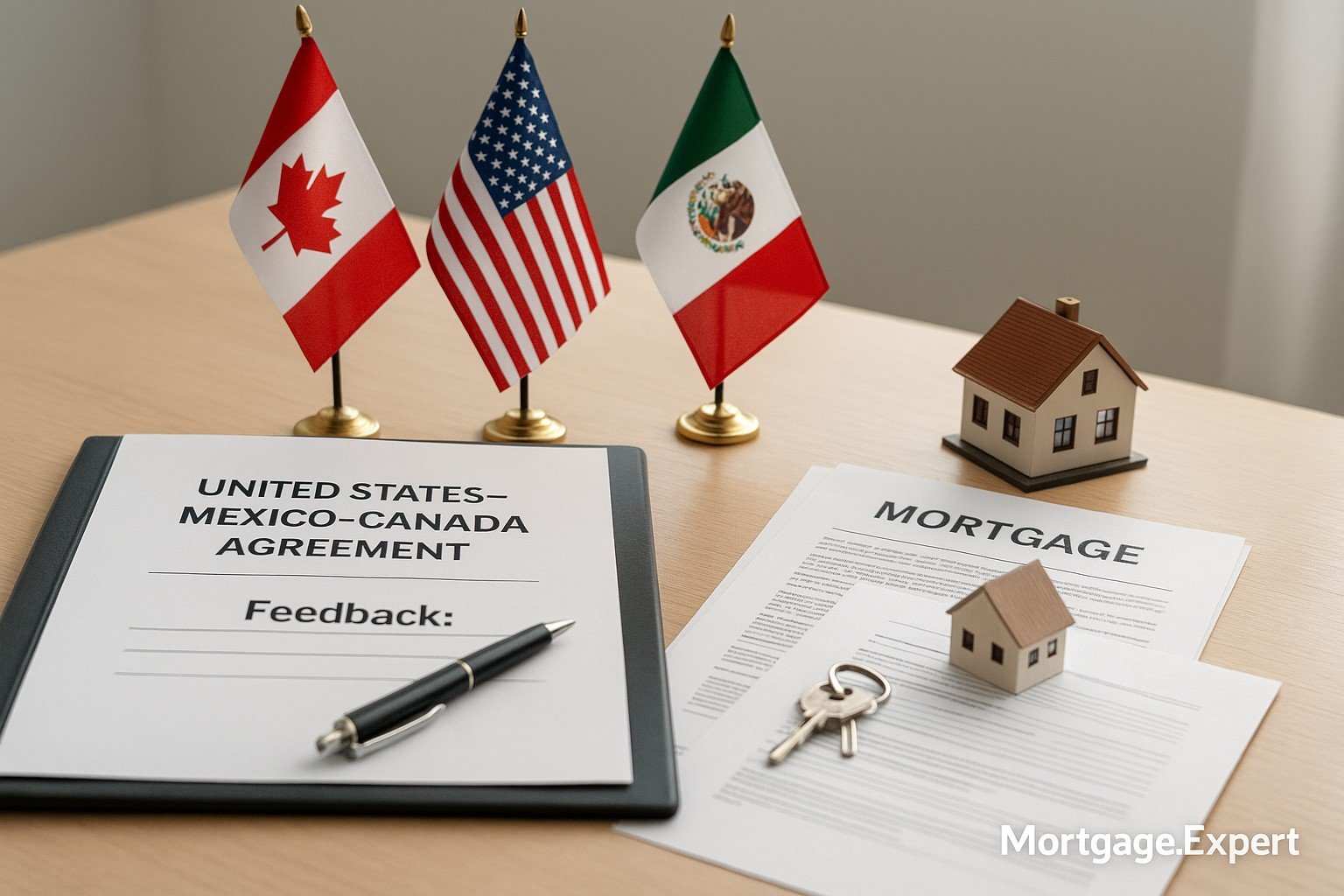
The Canadian government has opened public consultations on the United States-Mexico-Canada Agreement (USMCA) as it prepares for the first joint review of the trade pact scheduled in 2026.
From September 20 to November 3, individuals, businesses, and organizations can submit feedback on how the agreement has functioned and where improvements may be needed.
Dominic LeBlanc, Minister for Intergovernmental Affairs, Infrastructure and Communities (and now overseeing U.S.–Canada trade), said the consultations aim to ensure the deal reflects Canada’s national priorities, supports economic growth, and creates new opportunities for workers and companies.
Why USMCA Matters
The USMCA, which replaced NAFTA in 2020, governs nearly $2 trillion in annual trilateral trade. For Canada, the pact underpins supply chains in autos, agriculture, energy, and financial services.
The 2026 review will determine whether adjustments are needed. A failure to renew or renegotiate could even open the door to withdrawal by one of the three partners — a risk that carries serious consequences for trade, jobs, and capital flows.
Implications for the Canadian Economy
Trade agreements shape the big-picture economy, but their ripple effects reach down to households, housing demand, and mortgage markets. Here’s how:
1. Jobs & Household Income
- Export industries such as auto manufacturing, farming, and energy provide tens of thousands of jobs.
- Secure trade rules mean stable employment — which boosts household income certainty and mortgage qualification.
- Uncertainty or disruption, however, could weaken consumer confidence, delaying home purchases or refinancing.
2. Inflation & Prices
- Tariffs or trade restrictions would raise costs on goods like cars, food, or building materials.
- Higher inflation pressures could force the Bank of Canada to slow or reverse interest rate cuts, directly affecting mortgage affordability.
3. Currency Volatility
- Trade disputes often move the Canadian dollar.
- A stronger CAD lowers import prices but may hurt exporters. A weaker CAD could raise inflation, nudging fixed mortgage rates higher.
4. Capital Markets
- Global investors watch Canada’s trade certainty closely. A smooth review builds confidence, encouraging investment in Canadian bonds and mortgage-backed securities, supporting lower borrowing costs.
What Stakeholders Are Saying
- Small business owners want easier access to U.S. markets and simplified customs procedures.
- Agriculture groups are lobbying to protect supply-managed sectors (dairy, poultry) while securing greater access for exports.
- Labor unions want worker protections and fair wages emphasized in any updates.
- Financial industry voices stress that stability in USMCA supports investor confidence — crucial for housing markets and lending.
Broader Context: Housing & Mortgages
Even though USMCA is primarily about trade, its review will inevitably influence mortgages and housing through the macroeconomic linkages:
- Mortgage Rates: If the review reassures investors, bond yields could stabilize or fall, nudging fixed mortgage rates lower.
- Housing Demand: Stronger export-driven job growth in Ontario, Quebec, and Alberta would support urban housing demand.
- Construction Costs: Tariffs on U.S. lumber or steel could raise housing construction costs, delaying projects and squeezing affordability.
For mortgage shoppers, the message is clear: trade policy decisions can shape borrowing costs and home affordability just as much as central bank policy.
Next Steps in the Process
- Consultation Window: September 20 – November 3, 2025.
- Input Channels: Businesses, unions, provinces, and individuals can submit views through the Department of Foreign Affairs website.
- Review Deadline: The first joint USMCA review will take place in 2026.
- Potential Outcomes: Minor amendments, new enforcement rules, or — in a worst case — calls from one country to exit the agreement.
Closing Thoughts
The USMCA review may seem like a distant policy matter, but for Canadian households, it matters whether their jobs, paycheques, and mortgage rates remain stable. A smooth consultation and cooperative trilateral review could bolster Canada’s economic footing, reduce risks to affordability, and keep mortgage borrowers on firmer ground.
As Minister LeBlanc put it:
“Their views will help us ensure that this agreement continues to reflect our national priorities, strengthen our economy, and create opportunities for businesses and workers across Canada.”
For homeowners and buyers, the message is that trade policy isn’t just about exporters — it’s about everyday financial security.

Clara Desai
Articles: 545Related Posts



Stuck with a Mortgage Decision?
Don’t stress — our team is here to help. Reach out for free, no-obligation guidance.
Contact the Experts